
The human throat is a posterior oropharyngeal erythema of biological engineering, a muscular tube that serves as the critical crossroads for both our respiratory and digestive systems. It is the gateway through which we breathe, speak, and swallow, and its health is paramount to our overall well-being. Yet, for all its importance, the throat is remarkably vulnerable. It is constantly exposed to the external environment, to pathogens, allergens, and irritants that we inhale or ingest. When we get sick with a cold or the flu, it is often the throat that lets us know first, with that familiar tickle, scratchiness, or pain. But sometimes, the signs are not as obvious as a sharp pain. Sometimes, they manifest as a subtle but significant change in the appearance of the tissues. One such finding, often detected during a routine medical examination, is posterior oropharyngeal erythema. This term, while sounding clinically complex, simply describes redness and inflammation at the very back of the throat, specifically in the area known as the oropharynx. It is a clinical sign, not a disease in itself, but a crucial piece of evidence that points toward an underlying condition.
Understanding posterior oropharyngeal erythema is not just for medical professionals. For anyone who has ever experienced a sore throat, a fever, or a feeling of fullness in the ears, this term is relevant. It is the physical manifestation of your body’s immune system mounting a defense against an invader. The redness we see is the result of increased blood flow to the area, a sign that white blood cells and other immune mediators are rushing to the site of an infection or irritation. This vasodilation, or widening of the blood vessels, is a classic sign of inflammation, and it is the body’s first line of defense. Whether it is caused by a common virus, a bacterial infection like strep throat, or an allergic reaction, the redness is a visible signal that something is amiss. While it can be a benign and self-limiting symptom of a mild viral illness, it can also be an early warning sign of a more serious condition that requires prompt medical attention. This makes it a critical observation for doctors and a key point of understanding for patients who are trying to decipher their own symptoms. In this exploration, we will delve deep into the world of posterior oropharyngeal erythema, dissecting its causes, symptoms, diagnostic pathways, and treatment options to provide a comprehensive and practical guide for anyone seeking to understand this common yet often misunderstood sign.
The Anatomy of the Oropharynx: A Gateway to Understanding
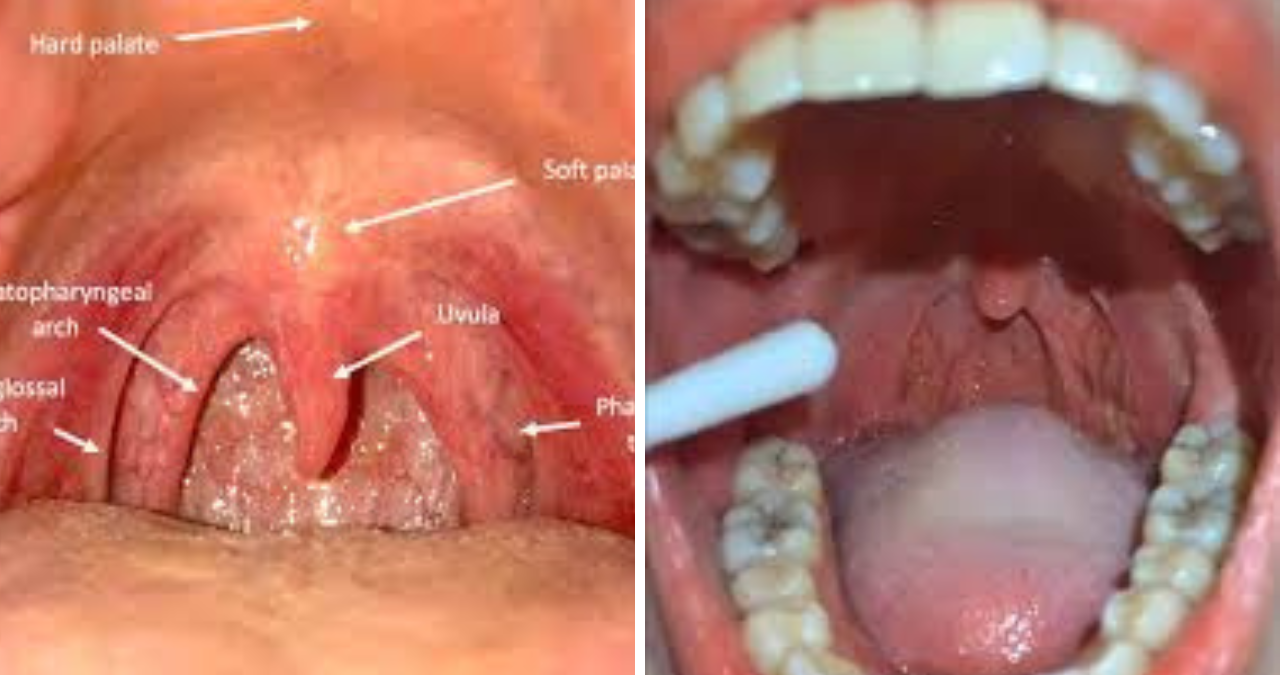
To truly grasp the significance of posterior oropharyngeal erythema, it is essential to have a clear mental picture of the anatomy in question. The pharynx, or throat, is a five-inch-long muscular tube that extends from the base of the skull to the esophagus. It is traditionally divided into three distinct sections: the nasopharynx, the oropharynx, and the laryngopharynx. The oropharynx is the middle section and is the area most commonly affected when we talk about a sore throat or a red throat. It sits just behind the oral cavity, extending from the soft palate (the back part of the roof of your mouth) down to the level of the hyoid bone, which is located near the base of your tongue. When you open your mouth wide and look in a mirror, the area you are seeing at the very back is the oropharynx. It includes the base of the tongue, the tonsils (palatine tonsils), the uvula, the tonsillar pillars (the folds of tissue on either side of the tonsils), and the posterior pharyngeal wall, which is the back wall of the throat itself. Posterior oropharyngeal erythema specifically refers to redness and inflammation that is localized to this posterior wall and the surrounding structures.
The oropharynx is lined with a mucous membrane, a moist tissue that produces mucus to keep the area lubricated and to trap foreign particles. Beneath this membrane lies a rich network of blood vessels and lymphoid tissue, which includes the tonsils and adenoids. This lymphatic tissue is a crucial component of the immune system, acting as a surveillance system that detects and responds to pathogens that enter through the mouth or nose. When a virus or bacteria invades, the immune cells in this tissue become activated, triggering a cascade of events that lead to inflammation. This is why the oropharynx is so often the site of redness and swelling during an infection. The delicate balance of the oropharynx can be disrupted by a wide range of factors, from infectious agents to environmental irritants. Understanding the anatomy of this region helps us appreciate why inflammation here can cause a variety of symptoms, from pain and difficulty swallowing to changes in voice and even earaches, as the nerve supply to the oropharynx is interconnected with the structures of the ear.
Unraveling the Causes: From Viruses to Irritants
The causes of posterior oropharyngeal erythema are numerous and varied, ranging from the mundane to the severe. By far, the most common culprits are viral and bacterial infections. Viral infections are responsible for the majority of cases of sore throat and pharyngeal redness. These include the common cold viruses (rhinoviruses, coronaviruses), influenza viruses, adenoviruses, and the Epstein-Barr virus, which causes infectious mononucleosis. In a viral infection, the redness is typically accompanied by other symptoms such as a runny nose, cough, and low-grade fever. The inflammation is the body’s immune response to the viral invasion, and it is usually a self-limiting condition that resolves within a week or so. However, it is important to note that even a viral infection can be quite uncomfortable, causing significant pain and making it difficult to eat or drink. The erythema in viral infections is often diffuse, meaning it is spread across the posterior pharyngeal wall, and it may be accompanied by a clear or white exudate, though this is less common than in bacterial infections.
Bacterial infections, particularly those caused by group A Streptococcus, are the other major infectious cause of posterior oropharyngeal erythema. This is the classic “strep throat.” In contrast to many viral infections, strep throat often presents with a more acute onset of severe pain, high fever, and a distinct appearance of the throat. The erythema in strep throat can be intense, and it is frequently accompanied by a thick, white or yellow exudate on the tonsils and the posterior pharyngeal wall, along with swollen, tender lymph nodes in the neck. It is a very important distinction because untreated strep throat can lead to serious complications, such as rheumatic fever or kidney inflammation. Therefore, a proper diagnosis is crucial. But infections are not the only cause. Non-infectious factors play a significant role as well. Allergies, for example, can lead to a condition known as postnasal drip, where excess mucus from the nasal passages drips down the back of the throat, causing constant irritation and inflammation that manifests as persistent redness. Acid reflux, or GERD, is another common non-infectious cause, where stomach acid backs up into the esophagus and can reach the oropharynx, causing a chemical burn and resulting in chronic erythema. Environmental irritants like smoking, air pollution, and alcohol consumption also contribute to the redness by directly irritating the delicate mucous membranes. Understanding the root cause is paramount for effective treatment, as a viral infection will not respond to antibiotics, while a bacterial one must be treated with them to prevent complications.
Deciphering the Symptoms: When Redness Speaks Volumes
The primary visual sign of posterior oropharyngeal erythema is, of course, the redness itself, but it is rarely an isolated finding. The symptoms that accompany this redness are what drive patients to seek medical care. The most common symptom is a sore throat, or pharyngitis, which can range from a mild scratchiness to a severe, burning pain that makes swallowing agonizing. This pain is a direct result of the inflammation and swelling of the tissues. The severity of the pain often correlates with the degree of erythema and the underlying cause. For example, a viral infection might cause a gradual onset of mild to moderate pain, while a bacterial infection like strep throat can cause a sudden, severe onset of pain that is often described as a “fire” in the throat. The pain may be worse in the morning due to dryness from mouth breathing during sleep, or it may worsen throughout the day with talking and swallowing. The quality of the pain can also be a diagnostic clue; a sharp, stabbing pain may suggest a more acute infection, while a dull, persistent ache might indicate a chronic irritant like acid reflux.
Beyond the sore throat, a constellation of other symptoms often accompanies posterior oropharyngeal erythema. Difficulty swallowing, known as dysphagia, is common, as the swollen tissues make it physically harder to pass food and liquids. This can lead to dehydration and nutritional deficits if the patient is unable to eat or drink adequately. The inflammation can also affect the voice, leading to hoarseness or a change in vocal tone. This occurs because the inflammation can affect the vocal cords or the surrounding tissues. Another frequent finding is swollen, tender lymph nodes in the neck, which are a sign that the body’s immune system is fighting off an infection. Fever is also common, especially in infectious cases; a high fever (above 101°F or 38.3°C) is more suggestive of a bacterial infection like strep throat. In some cases, patients may also experience a feeling of fullness or pain in the ears. This is due to the shared nerve pathways and lymphatic drainage between the oropharynx and the ear, a phenomenon known as referred pain. Recognizing these associated symptoms is key to interpreting the significance of the erythema and guiding the next steps in diagnosis and treatment.
The Diagnostic Journey: From Physical Exam to Rapid Tests
Diagnosing the cause of posterior oropharyngeal erythema is a journey that begins with a thorough medical history and a careful physical examination. The doctor will begin by asking the patient about their symptoms: when they started, how severe they are, and what other symptoms they are experiencing. They will ask about fever, cough, runny nose, joint pain, and any recent exposure to sick individuals. The medical history is invaluable for differentiating between a viral and bacterial infection. For example, the presence of a cough and runny nose alongside a sore throat is more indicative of a viral infection, whereas the sudden onset of a high fever and severe sore throat without cough is more suggestive of strep throat. The doctor will also inquire about any underlying medical conditions, such as allergies or acid reflux, and lifestyle factors like smoking, as these can be contributing factors. This conversation, while perhaps seeming informal, is a critical diagnostic tool that allows the clinician to form a preliminary hypothesis before even looking at the throat.
The physical examination then provides the visual evidence. The doctor will use a bright light and a tongue depressor to examine the mouth and oropharynx. They will note the degree and pattern of erythema, looking specifically at the posterior pharyngeal wall, the tonsils, the uvula, and the soft palate. They will look for the presence of exudate, which appears as white or yellow patches on the tonsils or throat, and they will check for petechiae, which are tiny red or purple spots on the soft palate that can indicate a more severe infection. The tonsils will also be assessed for size and swelling. The doctor will palpate the neck to feel for swollen and tender lymph nodes and will check for other signs of illness, such as a rash or fever. However, the physical examination alone is not enough to definitively diagnose the cause. The clinical picture can be murky, as viral and bacterial infections can look very similar. This is where laboratory tests become essential. The most common and effective diagnostic tool is the rapid antigen detection test for group A Streptococcus. This swab of the throat can provide results in minutes, confirming or ruling out a strep infection and guiding the decision to prescribe antibiotics. If the rapid test is negative but clinical suspicion remains high, a throat culture, which takes a couple of days to grow, can be performed for a more definitive diagnosis. These diagnostic steps ensure that treatment is targeted and appropriate.posterior oropharyngeal erythema
The Spectrum of Treatment: Symptom Relief and Eradication
The treatment of posterior oropharyngeal erythema is highly dependent on its underlying cause. There is no one-size-fits-all approach, and the distinction between viral, bacterial, and non-infectious causes is the most critical factor in determining the right course of action. For the vast majority of cases caused by viral infections, treatment is focused on symptom relief and supportive care. This means managing the pain and discomfort while the body’s immune system fights off the virus. Over-the-counter pain relievers like acetaminophen or ibuprofen can help reduce fever and alleviate throat pain. Throat lozenges and sprays that contain numbing agents like benzocaine can provide temporary relief. Staying well-hydrated is crucial, and warm liquids like tea with honey and lemon, or cool liquids like ice water, can be soothing. Saltwater gargles are a time-honored home remedy that can help reduce swelling and discomfort. It is important to rest the voice and get plenty of sleep to support the immune system. In the case of a viral infection, antibiotics are not only ineffective but can be harmful, contributing to antibiotic resistance and causing side effects.
When a bacterial infection, particularly group A Streptococcus, is confirmed, antibiotic therapy is the cornerstone of treatment. Penicillin or amoxicillin are the most commonly prescribed antibiotics for strep throat. The patient must complete the entire course of antibiotics as prescribed, even if they start to feel better before the medication is finished. This is to ensure that the bacteria are completely eradicated and to prevent complications like rheumatic fever. In addition to antibiotics, supportive care measures are also recommended to manage symptoms. Pain relievers and throat lozenges are still useful for reducing discomfort. For non-infectious causes, the treatment is directed at the underlying condition. If allergies are the culprit, antihistamines and nasal corticosteroids may be prescribed to reduce postnasal drip and inflammation. For acid reflux, lifestyle changes such as avoiding trigger foods, eating smaller meals, and elevating the head of the bed are often combined with acid-reducing medications like proton pump inhibitors. For irritants like smoking, cessation is the most effective treatment. The management of posterior oropharyngeal erythema is a nuanced process that requires a personalized approach based on a thorough diagnosis.
Complications and When to Seek Immediate Care
While posterior oropharyngeal erythema is often a benign and self-limited condition, it is not without potential complications, especially if the underlying cause is not properly identified and treated. The most significant and feared complications are associated with untreated or inadequately treated streptococcal infections. The most serious of these is rheumatic fever, an inflammatory disease that can affect the heart, joints, skin, and nervous system. If the bacteria that cause strep throat are not eliminated by antibiotics, the body’s immune system can sometimes mistakenly attack its own tissues, leading to damage to the heart valves. This is why prompt diagnosis and complete treatment of strep throat are so critical. Another potential complication of untreated strep is post-streptococcal glomerulonephritis, an inflammation of the kidneys that can lead to high blood pressure and blood in the urine. While this is less common than rheumatic fever, it is still a serious condition. Peritonsillar abscess, or quinsy, is a localized complication where a collection of pus forms behind the tonsil, causing severe pain, a muffled voice, and difficulty opening the mouth. This requires drainage and intravenous antibiotics.
Recognizing the warning signs that indicate a need for immediate medical attention is essential. Anyone with a sore throat and high fever (above 101°F or 38.3°C) should seek medical care, as should anyone with difficulty breathing or swallowing, severe pain, or signs of dehydration such as a dry mouth, sunken eyes, or decreased urine output. A stiff neck, severe headache, or a rash, particularly a red, sandpaper-like rash characteristic of scarlet fever, are also red flags. If a patient experiences muffled voice, drooling, or an inability to open their mouth fully, it could indicate a peritonsillar abscess, which requires urgent treatment. For children, it is especially important to be vigilant, as they can become dehydrated very quickly if they are unable to drink due to pain. Parents should watch for signs of lethargy, irritability, or a behavior change. Ultimately, it is always better to err on the side of caution. If a sore throat and associated symptoms are causing significant concern or are not improving after a few days, consulting a healthcare professional is the safest and wisest course of action.
The Importance of Accurate Diagnosis and Appropriate Antibiotic Use
The cornerstone of managing posterior oropharyngeal erythema, particularly in the context of suspected bacterial infections, lies in the principles of accurate diagnosis and appropriate antibiotic use. The clinical presentation of a red, sore throat can be caused by a multitude of agents, but the treatment for a viral infection is vastly different from that for a bacterial one. Prescribing antibiotics for a viral infection is not only futile but also contributes to the growing global problem of antibiotic resistance. When antibiotics are used unnecessarily, bacteria can evolve and develop mechanisms to survive the drugs that were once effective against them. This makes future bacterial infections harder to treat and poses a significant public health threat. Furthermore, antibiotics can have their own side effects, including allergic reactions, gastrointestinal upset, and the disruption of the body’s natural microbiome, which can lead to opportunistic infections like yeast infections. Therefore, the decision to prescribe an antibiotic must be made judiciously, based on compelling evidence that a bacterial pathogen is the cause.
This is why diagnostic testing, such as the rapid strep test and throat culture, is so important. It removes the guesswork from the clinical decision-making process. By confirming the presence of group A Streptococcus, these tests allow clinicians to confidently prescribe the appropriate antibiotic, ensuring that the patient receives the treatment they need to get better quickly and to prevent complications. It also empowers clinicians to avoid prescribing antibiotics when they are not needed, protecting the patient from unnecessary side effects and contributing to the fight against antibiotic resistance. When a patient is prescribed an antibiotic for a confirmed strep infection, they must adhere strictly to the prescribed regimen. It is not okay to stop taking the medication early because they feel better, as this can allow surviving bacteria to return and potentially cause complications. The goal of treatment is not just to alleviate symptoms but to completely eradicate the pathogen. The partnership between patient and healthcare provider, based on accurate diagnosis and appropriate treatment, is the key to successfully managing posterior oropharyngeal erythema and its underlying causes.
Home Remedies and Lifestyle Modifications for Soothing the Throat
While medical treatment is essential for bacterial infections and other serious causes, there is a significant role for home remedies and lifestyle modifications in managing the discomfort of posterior oropharyngeal erythema, regardless of the underlying cause. These simple, accessible measures can make a substantial difference in a patient’s comfort and well-being, particularly in the early stages of an illness or for symptom relief in viral cases. One of the simplest and most effective home remedies is gargling with warm salt water. A mixture of about half a teaspoon of salt dissolved in a glass of warm water can help to draw fluid out of the inflamed tissues, reducing swelling and temporarily relieving pain. Gargling several times a day can be very soothing. Staying well-hydrated is another cornerstone of home care. Drinking plenty of fluids helps to keep the mucous membranes moist, which can reduce irritation and make swallowing easier. Warm liquids like herbal teas, broths, or warm water with honey and lemon are often particularly comforting. Honey has natural antibacterial and anti-inflammatory properties, while lemon can help to soothe a sore throat. However, honey should not be given to children under one year of age due to the risk of infant botulism.
Lifestyle modifications are also crucial, especially for individuals with chronic or recurrent posterior oropharyngeal erythema caused by non-infectious factors. For those suffering from acid reflux, dietary changes are often the first line of defense. This includes avoiding trigger foods such as spicy foods, citrus fruits, tomatoes, and fatty or fried foods. Eating smaller, more frequent meals can also help reduce reflux. It is also recommended to avoid lying down for at least two to three hours after eating to prevent stomach acid from backing up into the esophagus and throat. For individuals whose erythema is caused by allergies, identifying and avoiding allergens is paramount. This may involve using air purifiers, keeping windows closed during high pollen seasons, and using dust-mite-proof covers on bedding. For smokers, the single most effective lifestyle modification is to stop smoking. The smoke from tobacco is a potent irritant that damages the mucous membranes of the oropharynx, leading to chronic inflammation. Avoiding secondhand smoke and other environmental pollutants is also beneficial. By combining these home-based strategies with any prescribed medical treatments, patients can take an active role in their own recovery and effectively manage the symptoms of posterior oropharyngeal erythema.
Posterior Oropharyngeal Erythema in Children: A Special Consideration
Posterior oropharyngeal erythema in children presents unique challenges and requires special consideration. Children are particularly susceptible to throat infections due to their developing immune systems and frequent exposure to germs in school and daycare settings. The presentation of throat infections in children can also differ from that in adults. While a sore throat is a common symptom in older children, younger children, especially toddlers and infants, may not be able to articulate their discomfort. Instead, they may exhibit signs such as fussiness, irritability, a decreased appetite, or refusal to eat or drink, which can be a sign of pain when swallowing. Fever is often a prominent symptom in children with throat infections, and it can be high, sometimes reaching 103°F or higher. Parents and caregivers must be vigilant in monitoring their children for these signs and seeking medical attention when appropriate. The differential diagnosis of a red throat in a child is also wide, and it is crucial to rule out more serious conditions such as epiglottitis, a rare but potentially life-threatening infection that causes swelling of the epiglottis and can obstruct the airway. Although epiglottitis is now much less common due to the Hib vaccine, it is still a consideration.
Diagnosing strep throat in children is also of paramount importance because of the risk of complications like rheumatic fever. The American Academy of Pediatrics recommends testing for group A Streptococcus in children with a sore throat and a high likelihood of strep based on a clinical scoring system. Testing is typically not recommended for children under the age of three, as they are less likely to have a primary streptococcal infection, but it may be considered if they have a high fever and exposure to a known case. When a child is diagnosed with strep throat, antibiotic treatment is essential. Amoxicillin or penicillin are the standard treatments, and it is crucial to ensure the child completes the full course of medication. For symptom relief in children, acetaminophen or ibuprofen can be used to manage fever and pain, but it is important to follow the dosing instructions carefully based on the child’s weight. Throat lozenges are not recommended for young children due to the choking hazard. Instead, warm liquids and popsicles can be soothing and help keep the child hydrated. Close monitoring for signs of complications or worsening is essential, and parents should not hesitate to contact their healthcare provider if they have any concerns. The management of posterior oropharyngeal erythema in children is a delicate balance of prompt diagnosis, appropriate treatment, and supportive care to ensure a full and uneventful recovery.
The Role of the Immune System and Inflammation
At its core, posterior oropharyngeal erythema is a visible manifestation of the immune system in action. The redness and swelling that characterize this condition are the hallmarks of the inflammatory response, which is the body’s primary defense mechanism against injury and infection. When the mucous membrane of the oropharynx is breached by a pathogen, such as a virus or bacterium, or is damaged by an irritant, the immune system springs into action. Specialized cells, known as macrophages and dendritic cells, recognize the foreign invader and release signaling molecules called cytokines. These cytokines are like chemical alarm bells that recruit other immune cells, such as neutrophils and T-cells, to the site of infection. These cells are responsible for eliminating the pathogen. To facilitate this rapid response, the blood vessels in the area dilate, or widen, which is the primary cause of the erythema, or redness. This vasodilation increases blood flow to the region, bringing more oxygen, nutrients, and immune cells to the site, but it also leads to the heat and swelling that are characteristic of inflammation. This entire process, while uncomfortable, is a sign that the body is working correctly to contain and eliminate the threat.
However, the inflammatory response is a double-edged sword. While it is necessary for fighting off infections, an excessive or prolonged inflammatory response can actually cause tissue damage and contribute to the symptoms of the disease. For example, the swelling in the throat can cause pain and difficulty swallowing, and the immune response itself can sometimes cause a fever. In the case of a bacterial infection like strep, the body’s immune response is not only fighting the bacteria but can also, in some individuals, lead to an autoimmune reaction where the immune system mistakenly attacks the body’s own tissues, as seen in rheumatic fever. This highlights the delicate balance of the immune system. Furthermore, chronic inflammation, which can be caused by persistent irritants like acid reflux or smoking, can lead to long-term damage and changes in the tissues of the oropharynx. Understanding the role of the immune system and inflammation in posterior oropharyngeal erythema provides a deeper appreciation for the body’s complex defense mechanisms and the importance of managing the underlying causes of inflammation to restore health and prevent complications. The goal of treatment is to support the immune system’s efforts to clear the infection while minimizing the collateral damage from the inflammatory response itself.
Dietary and Nutritional Considerations During and After Infection
The adage “you are what you eat” rings especially true when it comes to managing and recovering from an illness like posterior oropharyngeal erythema. During an infection, the body’s metabolic demands increase significantly as it mounts an immune response. Proper nutrition is essential to support this effort and to facilitate a swift recovery. However, the very symptom that brings patients to the doctor—a sore, painful throat—can make eating a daunting and unpleasant task. This creates a paradox: the body needs fuel to fight off the infection, but the act of consuming that fuel is painful. The key is to focus on foods that are soothing, easy to swallow, and nutrient-dense. Soft, warm, and bland foods are generally the most tolerable. Soups and broths, for example, are excellent choices. They provide hydration, electrolytes, and some calories, and the warmth can be soothing to the throat. Oatmeal, mashed potatoes, scrambled eggs, and yogurt are also good options that are soft and easy to swallow. Smoothies and milkshakes can be a great way to pack in calories and nutrients, especially if they include fruits and vegetables. It is generally best to avoid foods that are hard, crunchy, spicy, or acidic, as these can further irritate the already inflamed tissues. Citrus fruits, tomatoes, and vinegar-based dressings are examples of acidic foods that should be avoided.
Beyond the acute phase of the illness, nutrition continues to play a vital role in recovery and in preventing future episodes of posterior oropharyngeal erythema. A diet rich in vitamins and minerals, particularly vitamin C, vitamin D, and zinc, is known to support a healthy immune system. These nutrients can be found in a variety of fruits, vegetables, and lean proteins. For individuals with chronic conditions like acid reflux that contribute to throat inflammation, long-term dietary modifications are crucial. This includes avoiding trigger foods, eating smaller meals more frequently, and maintaining a healthy weight. For those with allergies, identifying and avoiding food allergens can help prevent the postnasal drip and throat irritation that lead to erythema. Furthermore, staying well-hydrated with water and other non-irritating fluids is essential for maintaining healthy mucous membranes and preventing the throat from becoming dry and irritated. By adopting a thoughtful approach to diet and nutrition, individuals can not only manage the immediate discomfort of posterior oropharyngeal erythema but also build a foundation of health that supports the immune system and reduces the risk of recurrence.
The Psychological and Social Impact of a Chronic Sore Throat
While posterior oropharyngeal erythema is often an acute symptom of a short-lived infection, for some individuals, it can become a chronic or recurrent problem. Living with a persistently red, sore, or uncomfortable throat can have a significant and often underestimated psychological and social impact. The experience of chronic pain or discomfort in the throat can be exhausting and draining. It can interfere with sleep, leading to fatigue and daytime irritability. The constant sensation of a lump in the throat, or the need to clear the throat frequently, can be distressing and can impact concentration and focus. For individuals who rely on their voice professionally, such as teachers, singers, or public speakers, a chronic throat condition can be particularly devastating, threatening their livelihood and sense of identity. This can lead to feelings of frustration, anxiety, and even depression. The social impact is also notable. A sore throat can make it difficult to engage in conversations, and the fear of coughing or having a scratchy voice can make social interactions stressful and embarrassing. It can also lead to social isolation as individuals may withdraw from activities and social gatherings to avoid the discomfort.
The psychological burden of a chronic health condition like recurrent posterior oropharyngeal erythema should not be trivialized. The uncertainty of not knowing when the next flare-up will occur, the frustration of trying different treatments with limited success, and the constant vigilance required to manage triggers can be mentally taxing. This is why a holistic approach to management is essential. Addressing the psychological aspects of the condition is just as important as treating the physical symptoms. Cognitive-behavioral therapy (CBT) can be a valuable tool for helping individuals develop coping strategies to manage the stress and anxiety associated with chronic illness. Mindfulness and relaxation techniques can help reduce the perceived intensity of pain and discomfort. Support groups or online communities can provide a space for individuals to share their experiences, learn from others, and feel less alone in their struggles. For healthcare providers, it is important to recognize the psychological impact of chronic pharyngitis and to address the patient’s overall well-being, not just the physical findings. A comprehensive care plan that includes both medical treatment and psychological support can significantly improve the quality of life for individuals living with this challenging condition.
The Interplay Between Posterior Oropharyngeal Erythema and Systemic Diseases
While most cases of posterior oropharyngeal erythema are caused by localized infections or direct irritants, it is important to recognize that this finding can also be a manifestation of more systemic, underlying diseases. The throat, and the oral cavity in general, is often a window into the body’s overall health, and changes in the mucosal lining of the oropharynx can be an early sign of a systemic condition. For example, autoimmune diseases like lupus or Sjogren’s syndrome can cause chronic inflammation of the mucous membranes, including those in the throat. Patients with these conditions may present with persistent pharyngeal redness and dryness. In some cases, the redness may be accompanied by other mucosal lesions, such as ulcers or petechiae. Certain blood disorders, such as anemia or leukemia, can also present with pharyngeal manifestations, including pallor or erythema, and in severe cases, bleeding or ulceration. Infections that affect the whole body, such as HIV or syphilis, can also have oral and pharyngeal manifestations. An acute HIV infection, for instance, can present with a severe sore throat, fever, and a characteristic erythema of the pharynx, often along with other symptoms like lymphadenopathy and a rash. Recognizing these associations is crucial for clinicians, as a red throat might be the first clue that leads to the diagnosis of a much more serious condition.
The relationship between posterior oropharyngeal erythema and systemic diseases is complex and underscores the importance of a comprehensive medical evaluation. When a patient presents with a red throat that is not typical of a simple viral or bacterial infection, or when the symptoms are persistent or accompanied by other systemic signs, the physician must broaden their differential diagnosis. A thorough history and physical examination, along with appropriate laboratory testing, may be needed to uncover the underlying cause. For instance, if a patient has a red throat along with joint pain, a rash, and fatigue, an autoimmune workup may be warranted. If there is a history of recurrent infections or unusual presentations, an immunodeficiency workup might be considered. The diagnosis of a systemic disease is often a collaborative effort involving multiple specialists. For the patient, understanding that posterior oropharyngeal erythema can sometimes be a sign of a more complex issue reinforces the importance of seeking timely medical attention and being open with their healthcare provider about all of their symptoms. It is a powerful reminder that the human body is an interconnected system, and that a symptom in one area can sometimes reflect a disturbance in another, far-removed part of the body.
The Future of Diagnosis and Treatment: Emerging Trends
The field of medicine is constantly evolving, and the diagnosis and treatment of conditions like posterior oropharyngeal erythema are no exception. While the fundamentals of a good history and physical exam, along with rapid strep testing and throat cultures, remain the standard of care, new technologies and approaches are emerging that may shape the future of practice. One exciting area of development is in the realm of point-of-care diagnostics. Research is ongoing into the development of advanced molecular tests that can rapidly detect a wide array of pathogens, not just group A Streptococcus, directly from a throat swab. These multiplex PCR tests could potentially identify multiple viruses and bacteria in a single, quick test, providing a more comprehensive picture of the infectious agent and allowing for more targeted treatment. This would be a significant step forward from the current approach, which often involves a process of elimination or relies on the clinician’s judgment. The ability to quickly and accurately identify the specific pathogen would reduce the unnecessary use of antibiotics and improve patient care by enabling the use of antiviral therapies when appropriate or confirming that supportive care is the best course.
Another promising area is the use of telehealth and mobile health applications. The COVID-19 pandemic accelerated the adoption of telemedicine, and this trend is likely to continue. For a condition like a sore throat, where a visual inspection is a key part of the diagnosis, telemedicine can be a useful tool. Patients can use their smartphones to take a picture of their throat or participate in a video consultation where the healthcare provider can guide them through a self-examination. While this will not replace a physical exam for all patients, it can be a convenient and efficient way for patients to access care, especially for mild to moderate symptoms. In the future, we may see the integration of AI-powered image analysis, where an app could analyze a photo of the throat and provide an initial assessment, flagging concerning features for the physician. However, it is important to note that telehealth is a complement to, not a replacement for, in-person care, especially for more complex or severe cases. Furthermore, research into new treatments, particularly for chronic conditions like acid reflux and allergies, continues to advance. Newer medications and delivery mechanisms are being developed to more effectively manage these underlying causes and prevent the chronic throat inflammation they cause. The future holds promise for more precise, personalized, and accessible care for patients suffering from posterior oropharyngeal erythema.
Conclusion: A Red Throat, A Clear Message
Posterior oropharyngeal erythema is far more than just a red throat. It is a clear and compelling message from the body, a visible signal that something is amiss within the complex ecosystem of the oropharynx. It is the body’s universal response to a threat, whether that threat is a common cold virus, a streptococcal bacterium, a cloud of cigarette smoke, or a splash of stomach acid. Understanding this sign is to understand the language of the immune system, to appreciate the delicate balance that keeps us healthy, and to recognize the importance of listening to what our bodies are telling us. This condition, while often benign and self-limiting, demands respect. Its causes are many, its symptoms can be profoundly uncomfortable, and its potential complications, while rare, are serious. The journey from a red, sore throat to a full recovery requires a partnership between the patient and the healthcare provider, a collaboration built on accurate diagnosis, appropriate treatment, and informed self-care.
As we have explored in depth, the key to managing this condition lies in differentiation. We must distinguish between a viral and a bacterial cause, between an infectious and a non-infectious one, and between a localized problem and a sign of a systemic illness. This is the foundation upon which effective treatment is built. But beyond the clinical algorithms and diagnostic tests, there is a human story. It is a story of discomfort and inconvenience, of the anxiety of a high fever in a child, and of the chronic frustration of a throat that never seems to feel quite right. It is a story that underscores the profound interconnectedness of the body, mind, and environment. By taking a holistic approach—one that addresses the physical symptoms, the underlying causes, and the psychological well-being—we can empower individuals to navigate this common ailment with confidence and resilience. Posterior oropharyngeal erythema is a red flag, but it is a flag that, when properly understood and addressed, can guide us toward better health. It reminds us that even the most common symptoms are worthy of our attention and that a healthy throat is truly a gateway to a healthy life.