

The fitness world is absolutely buzzing with talk about peptides right now, and for good reason. If you have been hitting the gym hard, tracking your macros, and getting your eight hours of sleep but still feel like your gains are hitting a plateau, peptides might just be the game-changer you have been searching for. These tiny chains of amino acids are essentially the building blocks of proteins, but their role in the body goes way beyond just muscle repair. They act as signaling molecules that tell your body to release more growth hormone, to increase insulin-like growth factor, and to speed up the recovery process in ways that traditional supplements simply cannot match.
Now, before we dive deep into the specific compounds that are making waves in the bodybuilding community, it is crucial to understand that peptides are not magic injections that will transform you overnight. They work synergistically with your training and nutrition, amplifying the natural processes that already occur in your body. What makes them so appealing to serious athletes and fitness enthusiasts is their incredible specificity. Unlike some more broad-acting compounds, peptides can target very particular pathways, which means you can tailor your approach based on whether you want to pack on raw mass, shred down while preserving muscle, or heal a nagging injury that has been holding you back.
The science behind peptide therapy has advanced tremendously over the last decade. Researchers have identified numerous sequences that can profoundly impact muscle protein synthesis, nitrogen retention, and even the formation of new muscle cells, a process known as hyperplasia. This is where peptides truly shine because they don’t just help your existing muscle fibers get bigger; in some cases, they can actually encourage the creation of new fibers, which is the holy grail for bodybuilders looking to push past their genetic ceiling. We are going to break down the absolute best options available right now, explain exactly how they work, and give you the practical knowledge you need to use them effectively.
Understanding the Mechanism of Muscle Growth Peptides
To truly appreciate why certain peptides are superior for muscle growth, you have to understand the fundamental mechanisms at play. The primary pathway that we are interested in is the growth hormone secretagogue receptor pathway. Essentially, specific peptides bind to these receptors in the pituitary gland and the hypothalamus, which then triggers a cascade of hormonal events leading to the release of growth hormone. This natural pulse of growth hormone is significantly higher than what your body would produce on its own, and it occurs in a pattern that mimics the body’s natural rhythms, which is a massive advantage over synthetic hormone replacement.
Once this growth hormone is released, it stimulates the liver to produce insulin-like growth factor one, which is often abbreviated as IGF-one. This is where the muscle-building magic really happens. IGF-one is a potent anabolic hormone that promotes the uptake of amino acids into muscle tissue, enhances protein synthesis, and inhibits protein breakdown. In simpler terms, it creates the perfect environment for growth. Peptides like GHRP two, GHRP six, and Ipamorelin are particularly effective at this because they stimulate a natural pulse of growth hormone without completely suppressing your body’s own production over time, which is a common issue with exogenous hormone use.
Another critical aspect of how these peptides work involves the inhibition of somatostatin, which is the hormone responsible for stopping growth hormone release. By effectively lowering the activity of somatostatin, peptides allow the growth hormone pulse to last longer and be more robust. This dual action of stimulating release while blocking inhibition is what makes these compounds so powerful. Furthermore, many of these peptides have a short half-life, meaning they clear from your system relatively quickly. This is actually beneficial because it prevents the desensitization of the receptors and keeps your body responsive to the compound over longer cycles.
Evaluating the Best Peptides for Muscle Mass
GHRP Two and GHRP Six
When we talk about foundational peptides for muscle growth, GHRP two and GHRP six absolutely have to be at the top of the list. These two compounds are often grouped because they are both growth hormone-releasing peptides, but they have distinct characteristics that make them suitable for different goals. GHRP six is particularly famous for its powerful effect on appetite. If you are a hardgainer who struggles to eat enough food to support serious muscle growth, GHRP six can be an absolute lifesaver. It triggers a massive increase in ghrelin, the hunger hormone, which means you will find yourself craving food and able to consume large quantities of protein and carbohydrates with ease.
On the other hand, GHRP two is often considered the more “pure” muscle-building peptide. While it does have some effect on appetite, it is not as pronounced as GHRP six. However, what it lacks in hunger stimulation, it makes up for in its ability to release growth hormone and IGF-1. Users often report that GHRP two produces a very clean, non-bloated feeling of fullness in the muscles, which is a sign that nutrient partitioning is working optimally. The pumps you experience in the gym while using GHRP two are genuinely something to behold, as the increased blood flow and nutrient delivery to working muscles create an environment conducive to immediate growth.
The dosing protocols for these two peptides are very similar. They are typically injected subcutaneously, meaning into the fatty tissue just beneath the skin, using an insulin syringe. The standard dose ranges from one hundred to three hundred micrograms per injection, and most experienced users will stack them together to get the best of both worlds. The frequency of dosing is also crucial because these peptides have a short half-life. For optimal results, it is recommended to inject them three times a day, ideally first thing in the morning on an empty stomach, immediately after your workout, and before bed. This schedule ensures that you are constantly bathing your muscles in anabolic signals throughout the day and during the vital recovery period when you sleep.
Ipamorelin
Ipamorelin is often described as the “gentle giant” of the peptide world, and for very good reason. It is highly selective in its action, meaning it binds almost exclusively to the growth hormone secretagogue receptor without affecting other hormones like cortisol or prolactin. This is a massive advantage because elevated cortisol levels can lead to fat storage and muscle breakdown, and elevated prolactin can cause unwanted side effects in some individuals. Ipamorelin provides a clean, steady release of growth hormone that is incredibly effective for muscle growth while minimizing the risk of adverse side effects.
What sets Ipamorelin apart from GHRP two and six is its lack of appetite stimulation. For many people, especially those who are trying to build muscle while staying relatively lean, the constant hunger from GHRP six can be overwhelming and counterproductive. Ipamorelin allows you to control your food intake precisely, which makes it an excellent choice for athletes who are in a calorie surplus but want to ensure that the surplus goes to muscle and not fat. The muscle fullness and vascularity that Ipamorelin provides are also highly prized, as it gives a very aesthetic look that is often associated with being “dry” and hard.
The dosing protocol for Ipamorelin is similar to other GHRPs, with injections typically ranging from two hundred to five hundred micrograms per dose. However, because of its clean profile, it is often stacked with Mod GRF one to twenty-nine, also known as CJC one to twenty-nine no DAC, to create a synergistic effect. The combination of Ipamorelin and Mod GRF is widely considered one of the most effective and side-effect-friendly stacks for muscle growth. The typical cycle lasts anywhere from eight to sixteen weeks, followed by a break to resensitize the receptors and allow the body to return to its baseline hormone production.
Mod GRF and CJC Series
The CJC series of peptides, particularly Mod GRF one to twenty-nine, represents another critical category of muscle-building compounds. Unlike the GHRPs, which directly stimulate the pituitary gland, Mod GRF works by mimicking the action of growth hormone-releasing hormone, which is the body’s natural signal for growth hormone release. This makes it a more upstream activator in the hormonal cascade. When you use Mod GRF alongside a GHRP, you are essentially hitting the growth hormone axis from two different angles, which produces a much more robust and natural-appearing pulse of growth hormone.
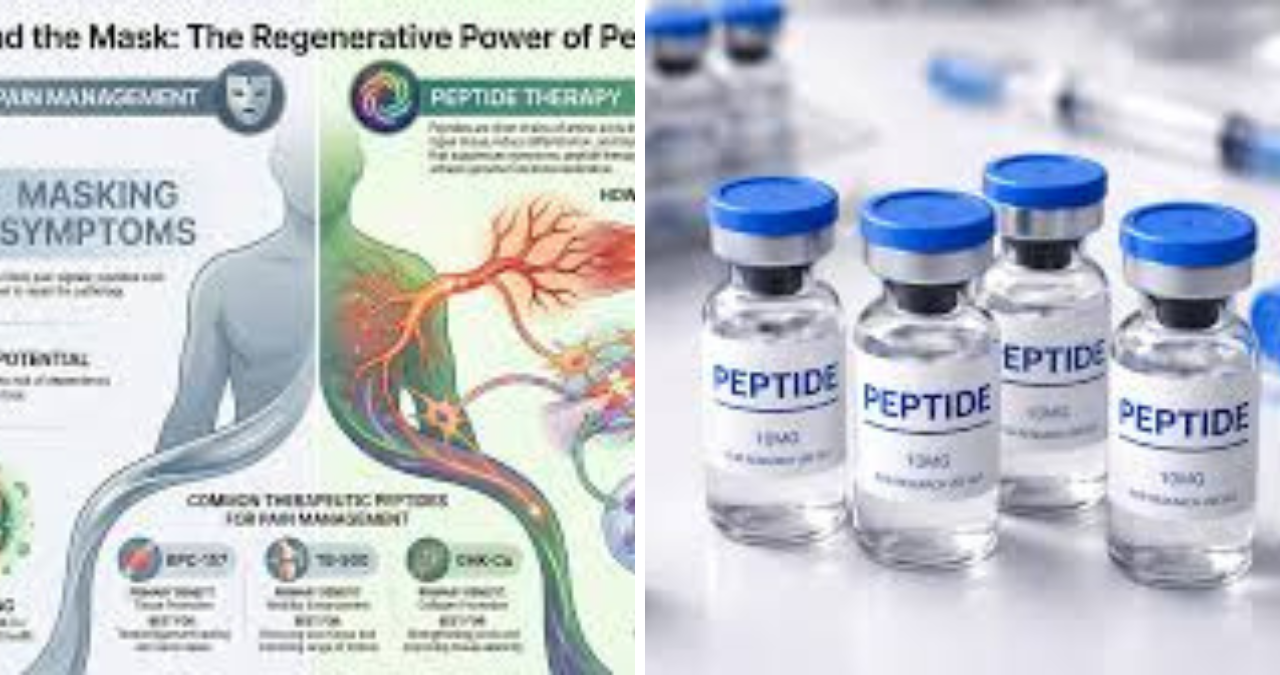
It is important to distinguish between the various versions of the CJC peptide. The most effective version is Mod GRF one to twenty nine, which has a half-life of about thirty minutes and is designed to be dosed multiple times per day. There is also a version called CJC with DAC, which has a drug affinity complex that extends its half-life to several days. While the DAC version is more convenient for dosing, it is generally considered inferior for muscle growth because it creates a constant, elevated level of growth hormone rather than a pulsatile release. The body’s natural growth hormone release is pulsatile, and mimicking this pattern is far more effective for building muscle and avoiding side effects like insulin resistance.
When using Mod GRF, the standard dose is typically one hundred to two hundred micrograms per injection. It is almost always stacked with a GHRP because the combination of GHRP and GHRH is far more effective than using either alone. The synergy between these two types of peptides is well-documented in scientific literature and in practical application. Users report that the combination produces faster recovery times, deeper sleep, and significantly accelerated muscle growth. The injections are generally painless, and with proper technique, subcutaneous administration becomes second nature after just a few attempts.
Hexarelin
Hexarelin is considered the heavy hitter of the growth hormone-releasing peptides. It is significantly more potent than GHRP two or six, and it can release growth hormone at a rate that rivals some pharmacological interventions. The intensity of the growth hormone pulse produced by Hexarelin is one of its most appealing features for advanced bodybuilders who have already built a substantial foundation and are looking for that extra edge to push through stubborn plateaus. If your primary goal is sheer mass and you are prepared to handle a more aggressive peptide, Hexarelin is definitely worth exploring.
However, with great power comes great responsibility, and this is especially true with Hexarelin. Because it is so potent, it carries a higher risk of side effects, particularly hyperprolactinemia and hypercortisolemia. This means that Hexarelin can raise levels of prolactin and cortisol, which, as we mentioned earlier, can be detrimental to muscle growth and overall health if not managed properly. For this reason, it is generally recommended that only experienced peptide users incorporate Hexarelin into their stacks, and even then, they should use it for shorter cycles, typically around four to six weeks.
The dosing protocol for Hexarelin is usually lower than other GHRPs, typically ranging from one hundred to two hundred micrograms per injection, and it is usually administered twice daily. Many users will cycle Hexarelin for a few weeks, then switch to a milder peptide like Ipamorelin to allow their receptors to recover and to avoid the accumulation of side effects. The results from Hexarelin can be dramatic, with users reporting rapid increases in lean body mass, significant fat loss, and noticeable improvements in skin elasticity and overall youthfulness. This makes it a favorite among athletes preparing for competitions or photo shoots, but it is definitely not a first step for beginners.
BPC One Five Seven
BPC one five seven, which stands for Body Protection Compound, is a peptide that has gained a cult following in the athletic community, but for a slightly different reason than the GHRPs. While it does not directly stimulate growth hormone release, BPC one five seven is arguably one of the most important peptides for muscle growth because it accelerates the healing of injuries and connective tissue. If you have ever had a nagging tendonitis, a pulled muscle, or joint pain that prevented you from training at full intensity, you know how frustrating it can be. BPC one five seven works systemically to promote angiogenesis, which is the formation of new blood vessels, and it also modulates the inflammatory response to facilitate faster healing.
The ability to train consistently and intensely is the foundation of muscle growth. If you are constantly dealing with injuries, your training volume and intensity will inevitably drop, and your gains will suffer. By using BPC one five seven to keep your joints, tendons, and ligaments healthy, you are essentially ensuring that your body can handle the high workloads necessary for hypertrophy. This peptide is often used during a heavy training cycle as a preventative measure, rather than just a treatment for existing injuries. It allows you to push your limits in the gym without the constant fear of something snapping or tearing.
BPC one five seven can be administered subcutaneously or orally, but the subcutaneous route is generally considered more effective for systemic healing. It has a long half-life and a remarkable stability in the body, meaning it can be dosed just once or twice a day. Many users prefer to inject it locally near the site of an injury, as the peptide has a strong affinity for damaged tissue. The typical dose ranges from two hundred fifty to five hundred micrograms per day, and cycles can last for several weeks. Combining BPC one five seven with TB five hundred is another popular strategy for comprehensive tissue repair and recovery.
TB Five Hundred
TB five hundred, or Thymosin Beta four, is another essential peptide that works hand in hand with BPC one five seven to create an environment conducive to growth and repair. While BPC one five seven is more focused on healing soft tissue, TB five hundred has a broader range of effects, including the promotion of cell migration, angiogenesis, and the reduction of inflammation. It also has powerful antioxidant properties that protect muscle cells from oxidative stress, which is a natural byproduct of intense training. By reducing inflammation, TB five hundred allows your muscles to recover faster and become more responsive to anabolic signals.
The synergy between TB five hundred and BPC one five seven is so profound that they are often stacked together, especially during periods of heavy training or rehabilitation from an injury. TB five hundred works by upregulating a protein called actin, which is crucial for the structural integrity of cells. This not only helps muscles heal and grow, but it also enhances the overall strength and resilience of muscle fibers. Users often report that their muscles feel “tougher” and more resilient when using TB five hundred, and they experience a significant reduction in post-workout soreness.
TB five hundred is typically dosed at around two hundred fifty to five hundred micrograms per injection, and it is often administered twice weekly. The half-life is longer than that of GHRPs, which makes it convenient for those who do not want to deal with the hassle of multiple daily injections. It is commonly used in cycles of four to eight weeks, and many athletes will time their TB five hundred cycle to coincide with the most demanding periods of their training. The cumulative effect of reduced inflammation, enhanced repair, and improved blood flow makes TB five hundred a staple in the toolbox of any serious bodybuilder.
Tesamorelin
Tesamorelin is a peptide that stands out for its specific ability to reduce visceral fat while simultaneously promoting muscle growth. This makes it a particularly attractive option for those who are in a bulking phase but want to keep their body fat percentage in check. Tesamorelin is a growth hormone releasing hormone analogue that has been extensively studied in clinical settings, particularly for its effects on reducing abdominal fat. The mechanism is similar to Mod GRF, but Tesamorelin is longer-acting and tends to produce a more sustained release of growth hormone.
What makes Tesamorelin so valuable for muscle growth is its impact on nutrient partitioning. By improving insulin sensitivity and shifting the body’s metabolism towards fat oxidation, it ensures that the calories you consume are being used to build muscle rather than stored as fat. This is a delicate balance that is often difficult to achieve during a bulk, as excessive calorie intake generally leads to some fat gain. Tesamorelin helps to mitigate this, allowing for a “cleaner” bulk where you put on quality muscle tissue without the accompanying layer of fluff.
The typical dose of Tesamorelin is two milligrams per day, administered subcutaneously. It is usually prescribed in a clinical setting for HIV patients with lipodystrophy, but its benefits have been widely adopted by the fitness community. The cycle length for Tesamorelin can be quite long, often extending to six months or more, as its effects on fat distribution and muscle composition tend to build up over time. It is important to note that Tesamorelin is more expensive than other peptides and requires a prescription in many countries, so it is generally reserved for those who are serious about their bodybuilding goals and have the budget to support it.
GHRP Two and Six Detailed Comparison
When you are looking at the specific differences between GHRP two and GHRP six, it really comes down to your personal goals and how your body reacts to these compounds. GHRP two is the more “anabolic” of the two, meaning it has a stronger direct effect on muscle protein synthesis. The growth hormone pulses from GHRP two are generally considered to be more profound, and users often report a more pronounced increase in lean body mass. If you are someone who is already able to eat enough food and you want to maximize the hormonal response for muscle growth, GHRP two might be the better choice for you.
On the other hand, GHRP six’s powerful appetite-stimulating effects can be a huge advantage for hardgainers. The increase in ghrelin is significant, and it can turn eating into a much less arduous task. For those who are naturally thin and have trouble hitting their daily calorie and protein goals, GHRP six can be the missing piece of the puzzle. The ability to consume large amounts of food without feeling overly stuffed allows these individuals to finally achieve the calorie surplus necessary for growth. It is important to note, however, that this effect can also be a disadvantage for those who are not careful with their diet, as it can lead to overeating and unwanted fat gain.
Another factor to consider is the potential for cortisol and prolactin elevation. GHRP six tends to have a slightly higher effect on these hormones compared to GHRP two. While the increase is generally manageable and not severe enough to cause significant problems in most users, it is something to be aware of. Regular monitoring of how you feel, including energy levels, mood, and sleep quality, can give you clues about how these hormones are affecting you. Both peptides are incredibly effective, and many users choose to rotate them or use them in combination to avoid receptor desensitization and to enjoy the benefits of both.
Comprehensive Stacking Strategies
The Basic GHRP Mod GRF Stack
The most common and arguably the most effective stack for muscle growth involves combining a GHRP with Mod GRF one to twenty-nine. This combination is so popular that it has become the gold standard for peptide use in the bodybuilding community. The synergy between these two compounds is unparalleled because they work together to amplify the growth hormone pulse while reducing the inhibition of somatostatin. The GHRP provides the direct stimulus, while the Mod GRF ensures that the pituitary gland is fully primed to release a large burst of growth hormone. This stack is effective for users of all experience levels and is generally very well tolerated.
When implementing this stack, the most common protocol is to dose both peptides together at the same time, using a single syringe. The typical dosages are one hundred to two hundred micrograms of each peptide per injection. The injections are scheduled three times daily, ideally upon waking, post-workout, and before bed. This timing is crucial because growth hormone has a natural rhythm, and these moments represent opportune times for anabolic signaling. The post-workout injection is particularly important because it capitalizes on the increased blood flow and nutrient uptake into the muscles, allowing for maximum utilization of the growth hormone pulse.
Advanced Hexarelin and Mod GRF Stack
For those who have experience with peptides and are looking for a more potent anabolic effect, stacking Hexarelin with Mod GRF is a powerful option. This stack produces a massive growth hormone pulse that can rival the effects of some exogenous growth hormone. The Hexarelin provides a very strong stimulus, and the Mod GRF enhances and prolongs that pulse. The result is a significant increase in IGF-1 levels, which translates directly to accelerated muscle growth and recovery. This stack is particularly effective during a bulking phase when your goal is to add as much muscle mass as possible.
However, because this stack is so potent, it requires careful management. Users should be vigilant about potential side effects and should consider taking supplements like mucuna pruriens or P5P to help manage prolactin levels. It is also advisable to keep the cycles relatively short, perhaps four to six weeks, followed by a break or a transition to a milder peptide like Ipamorelin. The dosing protocol for this advanced stack is typically two to three times daily, with dosages of around one hundred to two hundred micrograms of each compound. Many advanced users will also incorporate a carbohydrate-rich meal shortly after their injection to further stimulate insulin release and improve nutrient uptake.
Recovery Stack with BPC and TB
A dedicated recovery stack using BPC one five seven and TB five hundred is essential for maintaining training longevity and intensity. This combination is often referred to as the “healing stack” and is used by athletes from all disciplines, from bodybuilders to CrossFitters to marathon runners. The purpose of this stack is not to directly stimulate growth hormone, but rather to create an environment where the body can repair damage more efficiently. BPC one five seven works locally and systemically to reduce inflammation and promote angiogenesis, while TB five hundred enhances cell migration and protects against oxidative stress.
This recovery stack is typically dosed differently than the GHRP stacks. BPC one five seven is often injected daily at a dose of two hundred fifty to five hundred micrograms, and TB five hundred is injected twice weekly at the same dosage. Many users will inject BPC one five seven locally near areas of chronic pain or injury, while TB five hundred is usually administered subcutaneously in the abdomen. The effects of this stack are cumulative, and users often report significant improvements in joint health, tendon strength, and overall recovery after just a few weeks. This stack is a fantastic long-term investment in your health and performance, as it allows you to train harder and more frequently without breaking down.
Sourcing and Reconstitution
Peptide Reconstitution Guide
One of the most confusing aspects of using peptides for the first time is the process of reconstitution, which is the act of mixing the lyophilized peptide powder with bacteriostatic water to create an injectable solution. This process is actually quite simple once you understand the basic principles, but it is absolutely critical to get it right. Peptides are fragile molecules that can be damaged by light, heat, and even the force of the water hitting the powder. The key is to be gentle and precise. Always start with a sterile vial containing your peptide powder and your bacteriostatic water. Draw up the appropriate amount of bacteriostatic water using an insulin syringe, and then slowly inject it down the side of the vial, allowing the water to gently cascade onto the powder.
Do not shake the vial. Shaking can cause the peptide chains to break apart, rendering the product useless. Instead, gently swirl the vial or let it sit undisturbed for a few minutes until the powder has completely dissolved. The solution should be clear and free of particles. If it looks cloudy or has floating bits, it may be degraded or contaminated. The concentration of your solution is determined by the amount of powder in the vial and the amount of water you add. For example, if you have a five milligram vial of peptide and you add two milliliters of water, you will have a concentration of two point five milligrams per milliliter, which is the same as two thousand five hundred micrograms per milliliter.
Proper Storage of Peptides
Proper storage is another critical factor that determines the effectiveness of your peptides. Lyophilized peptides, meaning those that are in powder form, can be stored at room temperature for a short period, but for long-term storage, they should be kept in the refrigerator. The freezer is also an option for long-term storage, but you need to be careful about condensation when you take them out. Once you have reconstituted your peptide with bacteriostatic water, the peptide becomes much more fragile and must be stored in the refrigerator at all times. The bacteriostatic water contains a small amount of benzyl alcohol, which acts as a preservative and inhibits bacterial growth.
It is generally recommended to use your reconstituted peptide within thirty days, as the peptide can start to degrade even under refrigeration. The degradation process is accelerated by light, so it is important to store your peptides in a dark place or in an opaque container. Repeatedly taking the vial in and out of the refrigerator can also cause temperature fluctuations that speed up degradation. For this reason, many users will pre-fill their insulin syringes for the week and store them in the fridge to minimize the number of times the main vial is opened and exposed to changing temperatures.
Injection Techniques and Best Practices
Administering peptides is generally done through subcutaneous injection, which is far less intimidating than it sounds. Subcutaneous means injecting into the fatty tissue just beneath the skin, and it is a very common route of administration for many types of medications. The best sites for subcutaneous injections are the fatty areas around the abdomen, the love handles, or the upper thighs. These areas have plenty of subcutaneous fat and are easy to reach. Before you inject, it is essential to clean the injection site with an alcohol swab to prevent introducing any bacteria into the tissue.
When drawing the peptide solution into your insulin syringe, make sure to pull back the plunger to draw in the correct amount of solution, taking care to remove any air bubbles. Holding the syringe like a dart, quickly and gently insert the needle into the pinched skin at a forty-five-degree angle. Once the needle is fully inserted, push the plunger down slowly and steadily to administer the solution. After the injection is complete, withdraw the needle and apply gentle pressure to the site with a cotton ball or alcohol swab. Rotating your injection sites is a good practice to prevent the buildup of scar tissue, which can happen if you keep injecting in the same spot every day.
Diet and Training Considerations
Nutrition for Peptide Cycles
Using peptides without a proper diet is like having a race car with no fuel. The peptides will amplify the effects of your nutrition, but if your nutrition is not optimized for muscle growth, your results will be severely limited. During a peptide cycle, especially one involving GHRPs, your protein synthesis is going to be significantly elevated. This means your body is capable of utilizing more protein than usual to build muscle tissue. You should aim for a protein intake of around one to one point two grams per pound of body weight. This is a substantial amount of protein, and it is best distributed across four to six meals throughout the day to provide a constant supply of amino acids.
Carbohydrates are also crucial during a peptide cycle, particularly around your training window. The growth hormone released by peptides enhances the uptake of glucose and amino acids into muscle cells, which means the carbohydrates you eat are more likely to be stored as glycogen in the muscle rather than as fat. This is a massive advantage for bulking, as it allows you to consume a higher carbohydrate load without worrying about excessive fat gain. Fats are also important, particularly healthy fats like avocados, nuts, and olive oil, which support hormone production and overall health. The key is to tailor your diet to your specific goals, whether that is a clean bulk, a lean maintenance phase, or a cut.
Training Regimen for Maximum Gains
The training regimen you follow while using peptides should be intense and progressive. Peptides will significantly enhance your recovery, which means you can train with higher volume and frequency than you normally could. However, this is not a license to be reckless. The principles of progressive overload still apply, meaning you need to consistently challenge your muscles by increasing the weight, reps, or sets over time. With the enhanced recovery provided by peptides, you may find that you can handle more training sessions per week or more sets per body part without experiencing the typical signs of overtraining.
A well-structured training program during a peptide cycle might involve a push-pull-legs split repeated twice a week, or an upper-lower split done four times per week. The additional recovery capacity means you can incorporate more intensity techniques like drop sets, rest-pause sets, and forced reps. These techniques are highly effective for stimulating muscle growth but are notoriously hard to recover from. With the anabolic environment created by peptides, you can implement these strategies more frequently and see substantial gains. It is also important to incorporate dedicated deload weeks where you reduce the volume and intensity to allow your joints and nervous system to fully recover.
Sleep Optimization
Sleep is one of the most underrated aspects of muscle growth, and this becomes even more apparent when you are using peptides. The vast majority of growth hormone release occurs during deep sleep, and peptides are designed to augment this process. If you are not getting adequate sleep, you are essentially wasting the potential of your peptide cycle. During sleep, your body undergoes the most profound repair and rebuilding processes. The growth hormone pulse that occurs naturally during sleep is enhanced by peptides, and the combination of deep sleep and peptide-induced GH release creates a potent recovery environment.
To optimize your sleep, you should aim for seven to nine hours of quality, uninterrupted sleep per night. This means creating an environment that is dark, cool, and quiet. Avoiding screens for at least an hour before bed is also crucial, as blue light suppresses melatonin production. Many peptide users find that their sleep quality improves dramatically while on cycle, often falling asleep faster and experiencing deeper, more restorative sleep. This is partly due to the hormonal effects of the peptides and partly due to the reduced inflammation and pain in the body. If you are struggling with sleep, consider incorporating a melatonin supplement or other sleep aids like magnesium glycinate to further enhance your rest.
Safety and Side Effect Management
Potential Side Effects and Mitigation
While peptides are generally considered safe and well-tolerated, they are not without potential side effects. One of the most common side effects is water retention, which can lead to a puffy or bloated appearance. This is particularly true with some of the more potent GHRPs like Hexarelin and, to a lesser extent GHRP two. Water retention is usually manageable by monitoring your sodium and carbohydrate intake and ensuring you are drinking enough water to flush out excess fluids. In some cases, reducing the dose or frequency of injections can also help. Another common side effect is increased hunger, which is a direct effect of ghrelin stimulation. While this is beneficial for hardgainers, it can be problematic for those trying to stay lean.
More serious side effects can include elevated blood glucose levels due to the insulin resistance that can develop from chronically elevated growth hormone. This is a significant concern, especially with long-term use or high dosages. To mitigate this, it is important to monitor your fasting blood glucose levels regularly. If you notice a trend upward, you may need to adjust your carbohydrate intake or add an insulin sensitizer like berberine to your supplement regimen. Additionally, elevated prolactin levels can occur with some peptides, leading to reduced libido, mood swings, and even gynecomastia in severe cases. This is particularly an issue with Hexarelin and, to a lesser extent GHRP six.
Cycle Length and Post-Cycle Therapy
The concept of cycling peptides is important not only for maintaining their effectiveness but also for ensuring your long-term health. Continuous use of any peptide can lead to receptor desensitization, meaning your body becomes less responsive to the compound over time. This is why most experienced users will cycle their peptides, typically following an eight- to sixteen-week on phase with a four- to six-week off phase. This allows the receptors to upregulate and resensitize, making the next cycle just as effective as the first. The off period also allows your body’s natural hormone production to return to baseline, which is essential for maintaining balance.
When it comes to post-cycle therapy for peptides, it is generally much simpler than for anabolic steroids. Because peptides do not suppress your natural testosterone production, you do not need to use SERMs or HCG to restart your HPTA. However, some users may choose to use natural supplements that support the growth hormone axis during the off period. Supplements like GABA, L-dopa, and alpha-GPC can help to maintain a healthy level of growth hormone release even when you are not using peptides. Additionally, continuing to support recovery through proper nutrition and sleep is crucial, as the effects of the peptides will gradually fade.
Legal and Ethical Considerations
Understanding the Legal Status
The legal status of peptides varies widely from country to country, and it is important to be aware of the laws in your jurisdiction. In the United States, peptides like GHRP and Mod GRF are not approved by the FDA for human use, meaning they are considered research chemicals. This means they are legally available for research purposes only, and they cannot be legally sold or distributed for human consumption. However, they are not classified as controlled substances, which means that simple possession is not typically a criminal offense, although it can be a regulatory violation.
In many other countries, the laws are similarly ambiguous. Some countries have banned certain peptides, while others have placed them in a gray area where they are not explicitly illegal but are not regulated. For the athlete, this means there is a certain level of legal risk associated with using peptides. It is always recommended to do thorough research on the specific laws in your area and to consult with a healthcare professional before starting any peptide regimen. The ethical considerations are also significant, especially in competitive sports where the use of performance-enhancing substances is strictly prohibited.
Ethical Use in Sports
The ethics of peptide use in sports and bodybuilding is a topic of considerable debate. On one hand, peptides are naturally occurring substances that the body produces in small amounts, and many argue that using them to optimize recovery and muscle growth is simply a form of advanced supplementation. On the other hand, they are clearly performance-enhancing and can give athletes an unfair advantage over those who choose not to use them. In the world of competitive bodybuilding, the use of peptides is widespread, but it is still considered a form of doping by most athletic governing bodies.
If you are a competitive athlete in a tested federation, the use of peptides is strictly off-limits, and failing a drug test can result in suspension or a lifetime ban. For recreational lifters, the ethical line is more personal. It really comes down to what you consider to be acceptable for your own goals and health. Many people use peptides to overcome injuries or to break through plateaus that they cannot surpass naturally. As long as you are honest about your use and are not deceiving anyone in a competitive setting, many consider it a personal choice. The most important thing is to prioritize your health and to use these powerful compounds responsibly, with a full understanding of the potential risks and benefits.
Final Thoughts on Peptide Use
As we wrap up this comprehensive guide, it is clear that peptides represent one of the most exciting frontiers in muscle growth and recovery. The ability to fine-tune your body’s hormonal signals with such precision is a massive step forward from the broad, often problematic approaches of the past. Whether you are a seasoned bodybuilder looking for that extra edge or a beginner who is struggling to make progress, there is likely a peptide or a combination of peptides that can help you achieve your goals. The key is to approach peptide use with respect, education, and a clear plan.
Remember that peptides are not a replacement for hard work in the gym or discipline in the kitchen. They are tools that, when used correctly, can amplify the results of your efforts. The best peptide for muscle growth ultimately depends on your individual circumstances, including your goals, your budget, and your tolerance for risk. GHRP two and six are fantastic starting points for most people, while Ipamorelin and Mod GRF offer a cleaner, more side-effect-friendly option. For advanced users, Hexarelin can provide a potent boost, and the healing stacks of BPC and TB five hundred are invaluable for maintaining training longevity.
Ultimately, the journey of muscle growth is a marathon, not a sprint. Peptides can help you run that marathon faster and more efficiently, but they do not replace the fundamental principles of progressive overload, adequate nutrition, and proper recovery. As you consider incorporating peptides into your regimen, do so with a long-term perspective. Prioritize your health, listen to your body, and be prepared to adjust your approach based on how you respond. The world of peptides is vast and constantly evolving, and staying informed is the best way to maximize your results while minimizing your risks.